
Last Sunday’s Sermon
Sermon at Pentecost–Part 1
Peter’s sermon at Pentecost introduces the essentials of true biblical preaching. This message explores Acts 2:14–21, the authority of Scripture, salvation by faith, and worship in spirit and truth.
Providence Bible Church · Resources
Watch or listen to our most recent sermon and browse past Sunday sermons.
99 sermons · newest uploads first
No sermons match this tag.
Last Sunday’s Sermon
Peter’s sermon at Pentecost introduces the essentials of true biblical preaching. This message explores Acts 2:14–21, the authority of Scripture, salvation by faith, and worship in spirit and truth.

The plan, provision, and purpose of Pentecost, and the coming of the Holy Spirit in Acts 2:1–13.

The believers gather in the upper room, Scripture is fulfilled, and Matthias is chosen. A study of faithful service, often without recognition.
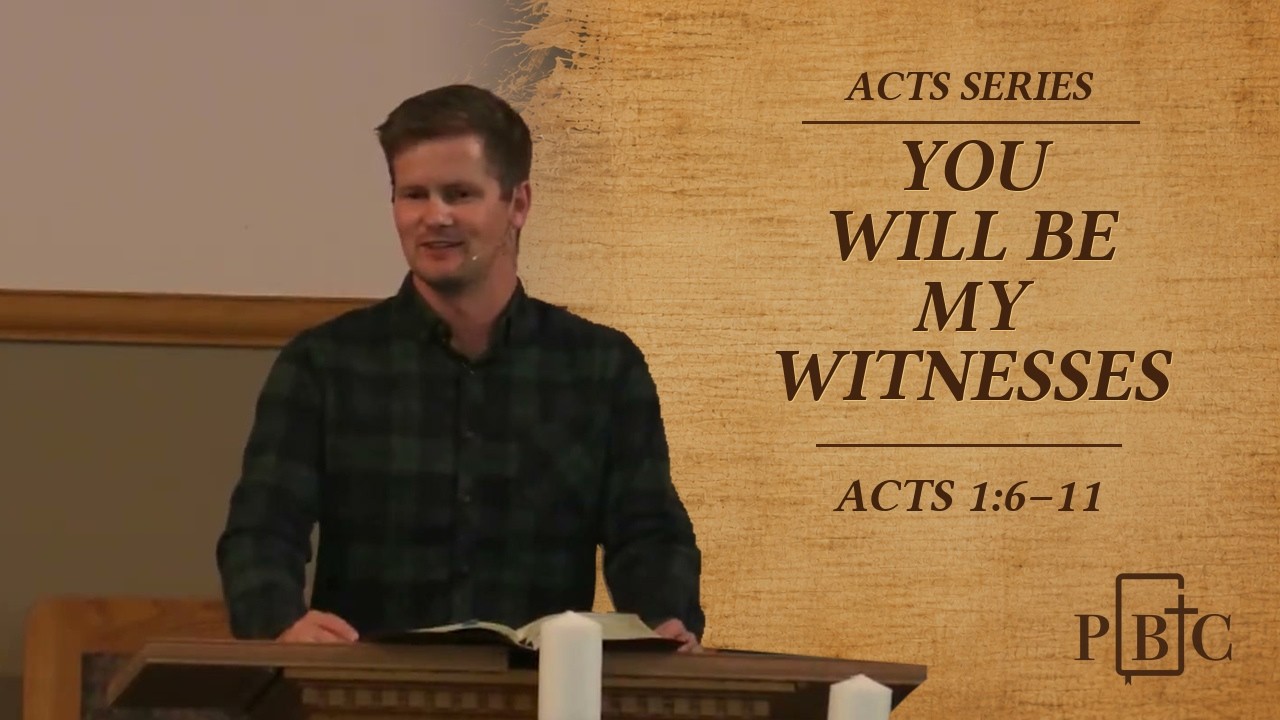
Jesus commissions His disciples as witnesses. This message considers their mission and how Acts 1:8 shapes the book of Acts.

A study of John’s baptism, the baptism of the Holy Spirit, and water baptism, beginning with Acts 1:5.
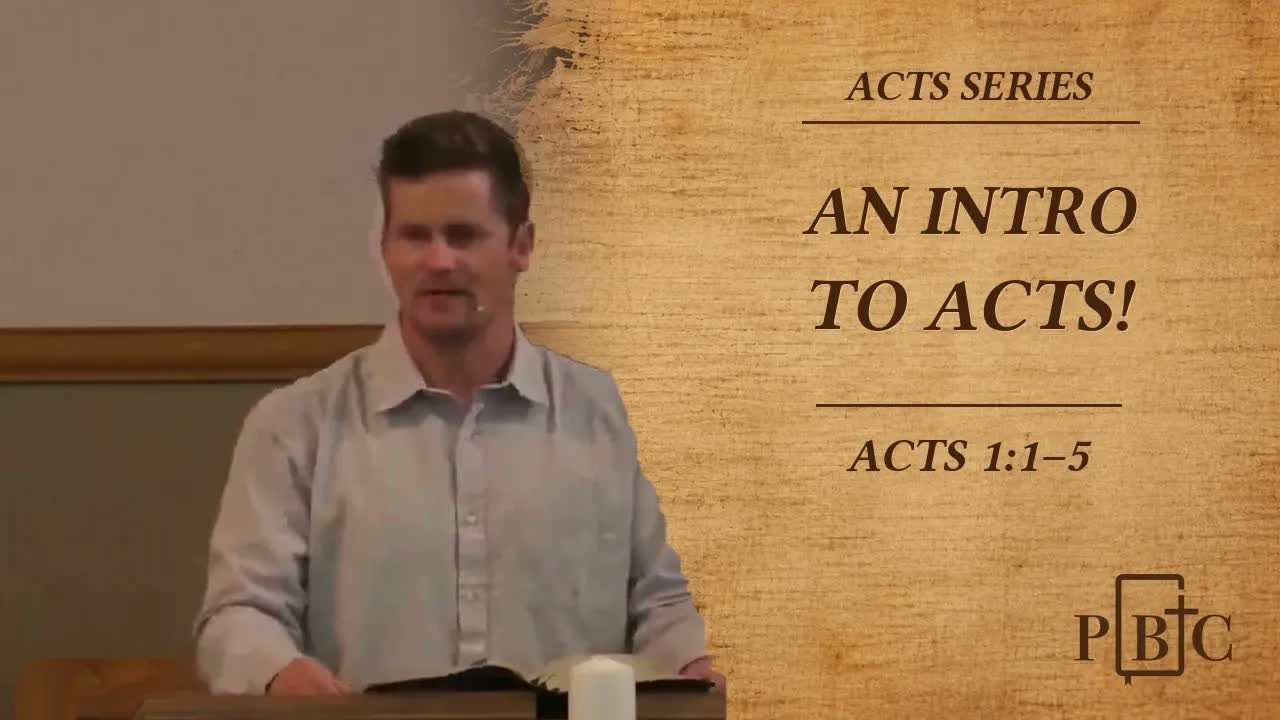
An introduction to Acts, its background and purpose, and Jesus’ command that the disciples wait for the promised Spirit.

The second part of this study considers faith, prayer, and reliance on the Holy Spirit in serving as Christ’s ambassadors.

A study of Christ’s ambassadors, heavenly citizenship, knowing the gospel, and childlike faith.

Jim Wine · Church Camp
Jesus’ encounter with the woman at the well challenges our excuses for avoiding evangelism and calls us to tell others about Him.

Jonah’s story challenges the gap between knowing God and obeying Him, and calls His servants to love the lost.

The battle belongs to the Lord. David and Goliath point to the Lord’s deliverance and His purpose to make Himself known through those who trust Him.

Isaiah’s vision of the Lord calls us to consider His holiness, the gospel, and a life devoted to His service.

Psalm 37 calls believers to turn from anger and envy toward trust, delight, and patient confidence in the Lord.

Jesus’ encounter with ten lepers highlights the one who turns back, recognizes his need, and worships Christ as Lord.

David’s prayer in Psalm 51 calls us to examine true repentance, regular confession, and our hope of forgiveness before a holy God.
The aftermath of David’s sin reveals its consequences, God’s discipline, and the need to respond rightly to correction.

David’s fall warns us to guard our hearts, bear one another’s burdens, and take sin seriously.

Boaz’s diligence, integrity, and zeal for the Lord’s name bring Ruth’s story to its rich conclusion in redemption.

Ruth’s request, Boaz’s response, and Naomi’s plan reveal godly character and the hope of redemption.

God provides for Ruth and Naomi through Boaz’s kindness. Ruth 2 shows His providence at work through faithful people and calls us to trust His care and serve as His ambassadors.

Naomi and Ruth return to Bethlehem after loss and hardship. Their story invites us to consider grief, loyalty, and the beginnings of God’s provision in Ruth 1.

Set against the troubled days of the judges, Ruth’s story reveals God’s redemption, provision, and providence. This introduction traces His care for Ruth within His larger plan of redemption.

A concluding review of John’s Gospel, its witness to Jesus, and its call to believe. The closing study returns to the life God gives through His Son and the transforming work of His Word.

Jesus calls Peter to follow Him rather than compare his path with John’s. A study of costly discipleship, distractions, and a heart that rests in Christ’s love.

After Peter’s failure, Jesus compassionately searches his heart and restores him to service. Christ calls him to care for His sheep and follow Him, offering hope to believers who need grace after failure.

Jesus’ resurrection is the promised sign of His authority. John 2:18–22 calls us to believe His Word, recognize His authority to give life and judge, and respond in repentance and faith.
Peter’s leadership, self-confidence, pride, and failure reveal the need to examine our own hearts. This study considers God’s loving correction and our dependence on Christ to bear lasting fruit.
The risen Jesus meets His disciples beside the Sea of Galilee after a fruitless night of fishing. Their abundant catch and breakfast with Him reveal His presence and provision in John 21:1–14.

John wrote so that readers would believe Jesus is the Christ, the Son of God, and have life in His name. This study examines the means and meaning of belief, and the devotion that follows genuine faith.

Thomas encounters the risen Christ, and Jesus pronounces a blessing on those who believe without seeing. This study considers how God’s Word and the Holy Spirit equip and assure believers today.

The risen Jesus sends His disciples as the Father sent Him. John 20:19–23 calls believers to embrace His mission, depending on the Holy Spirit and serving together as His church.

Mary Magdalene’s grief turns to joy when she recognizes the risen Jesus. Her love and obedience show why Christ entrusts the good news to people who love Him.

The empty tomb testifies that Christ truly rose from the dead, just as Scripture required. A study of the resurrection’s evidence and its central place in the Christian faith.
John records eyewitness evidence of Jesus’ death, the fulfillment of Scripture, and His burial by faithful men. These details affirm the gospel’s foundation: Christ died for our sins and was buried.

Jesus fulfills Scripture and declares His work finished before giving up His spirit. John 19:28–30 brings us to the completion of His suffering and His final words from the cross.

The two criminals beside Jesus reveal contrasting responses to Him. The repentant criminal recognizes his sin, cries out in faith, and receives Christ’s promise of paradise—a clear picture of the gospel.

Darkness, the torn temple curtain, and the centurion’s confession accompany Jesus’ death. Matthew 27:45–54 presents the extraordinary events at the cross and the testimony that Jesus is God’s Son.

The women remain near Jesus’ cross, and He entrusts His mother to the disciple He loves. John 19:25–27 reveals His care for others in the midst of His suffering.
John’s account of the crucifixion draws attention to Jesus, Golgotha, Pilate’s inscription, and the soldiers’ actions. The details testify to His kingship and the fulfillment of Scripture.

Pilate repeatedly declares Jesus innocent while trying to avoid condemning Him. The Roman trials expose the pressure of the accusers and the injustice surrounding the sinless King’s condemnation.

Jim Wine’s Christmas message, “Christmas and the Galileans.”

Jesus stands before Pilate and speaks of His kingdom and His witness to the truth. The first Roman trial contrasts His innocence with the crowd’s demand to release Barabbas.
Jesus faces questioning and abuse while Peter denies knowing Him. John 18:12–27 contrasts Christ’s faithful testimony with human fear, injustice, and failure.

Jesus identifies Himself to the arresting party and protects His disciples. Amid betrayal and violence, John 18:5–14 reveals His authority and willing submission to the Father’s purpose.
Jesus prays that His people will be with Him, see His glory, and know the Father’s love. The closing words of John 17 connect believers’ unity with Christ’s presence and His love within them.

Jesus prays for the unity of all who will believe in Him. This study considers the Father’s Word, mission, love, and Christ’s presence as gifts that unite His people and bear witness to the world.
As the Father sent Jesus, Jesus sends His followers into the world. His mission calls us to do the Father’s will, speak His Word, seek the lost, glorify Him, and give our lives in service.

Jesus’ followers live in the world while belonging to Him. John 17:14–19 calls the church to receive God’s Word, be set apart by truth, and joyfully carry out its mission despite opposition.

Christ’s priestly work continues as He reveals the Father, encourages His disciples, and intercedes for them. John 17:6–13 offers assurance in His care and His prayer that His people be kept.

The opening of Jesus’ High Priestly Prayer reveals the gospel’s plan, purpose, person, provision, and preeminence. John 17:1–5 directs our attention to the Father’s glory and eternal life through His Son.

Jim Wine


Jim Wine

Jim Wine

Jim Wine

Jim Wine
Jim Wine

Jim Wine

Jim Wine

Jim Wine
James Hutton
Jim Wine

Jim Wine

Jim Wine

Jim Wine

Jim Wine

Jim Wine

Jim Wine

Jim Wine

Jim Wine
Jim Wine

Dustin Mori

Jim Wine

Jim Wine

Jim Wine

Jim Wine

Jim Wine

Jim Wine

Jim Wine

Jim Wine
Jim Wine

Jim Wine
Jim Wine

Jim Wine

Zach Garey
Jim Wine

Recorded Sunday worship service

Jim Wine

Vincent Nicotra

Recorded Sunday worship service

Recorded Sunday worship service

Recorded Sunday worship service

Recorded Sunday worship service

Recorded Sunday worship service
Recorded Sunday worship service
Recorded Sunday worship service

Recorded Sunday worship service